Some mornings I wake up with a tight, uneasy feeling in my stomach. Nothing bad has happened. The day ahead looks perfectly fine, yet something feels off. When I pause and try to name what I am nervous about, I often can’t. The feeling is there before the words are.
As adults, we like to believe our emotions should make sense straight away, but they don’t always come from clear thoughts. Anxiety often lives in the body, in the stomach, the breath and the muscles. I t can be shaped by past experiences, ongoing stress, or things happening quietly below awareness. We might say we are “worried about nothing”, but the feeling itself is still real.
Now imagine being a child or a teenager and feeling this same discomfort, but without the words, life experience, or coping tools that adults build over time. Imagine feeling that tightness in your body and not knowing what it means or how to explain it. Instead of saying, “I feel anxious,” it may come out as tears, anger, silence, avoidance, or behaviour that looks confusing from the outside.
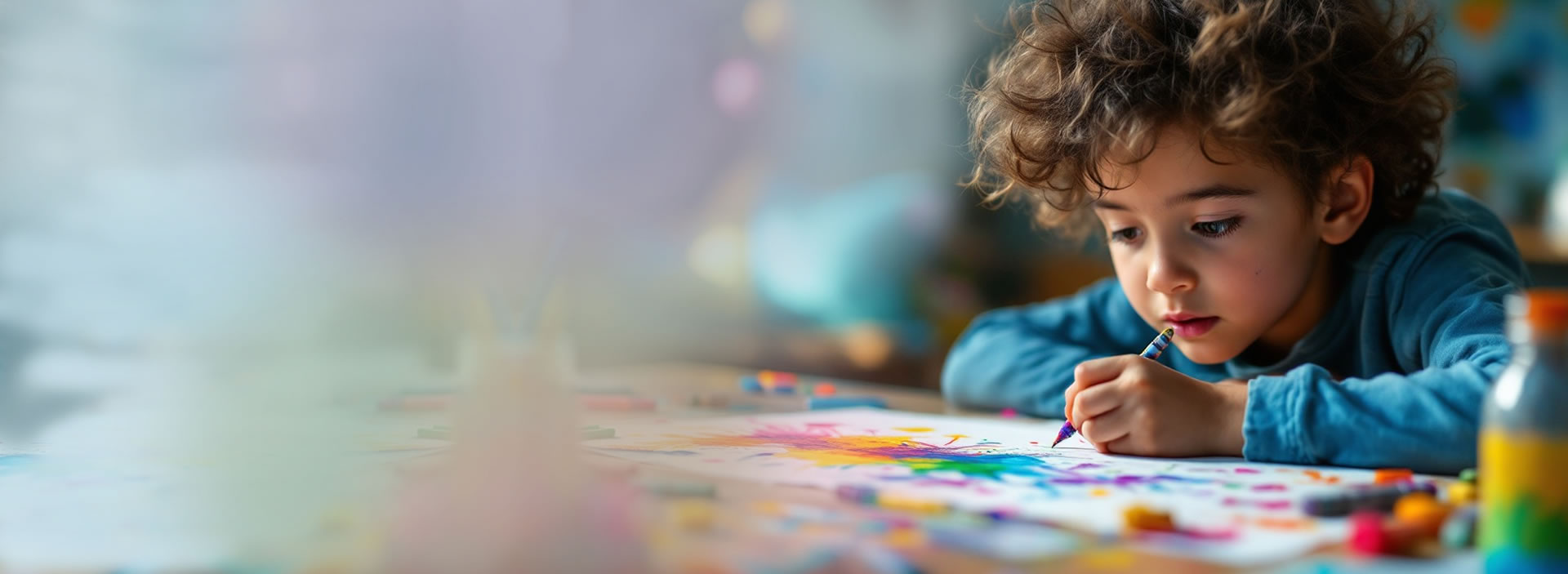
Just like adults, children and teens feel things before they can name them. That is why they often need more than questions or explanations. They need safe ways to show what is happening inside, through play, art, movement, or quiet connection, until words slowly begin to form.
Anxiety does not always come from something obvious in the moment. It can be shaped by past experiences, small stresses that build up over time, or patterns the body has learned. A child might feel nervous walking into a room because their body remembers feeling judged before, even if the situation is different now. Stress can also build quietly. Lack of sleep, constant pressure, or emotional load can leave the nervous system on edge, even on days that seem calm. Sounds, tones of voice, places, or smells can trigger a physical response like a tight stomach or shallow breathing before we understand why. Unexpressed emotions do not simply disappear. They often show up later in behaviour or anxiety. This is why someone can feel worried “for no clear reason”. The feeling is real, even if the cause is not obvious.
Children often struggle to talk about their feelings because emotional experiences develop before language skills are fully formed. Feelings like anxiety, shame, grief, or loneliness are hard to name, even for adults. Experiences such as bullying can bring deep shame and fear, making children worry that speaking up will make things worse or disappoint their parents. Stress also affects the brain and body, making it harder for a child to organise thoughts or find words. This is why many children shut down or say, “I don’t know.” Silence is often not refusal, it is a sign that words are not available yet. This is where art becomes so important. It gives those feelings somewhere to go without needing language first.
Art feels safer than direct questions Questions like “Why are you sad?” or “What’s wrong?” can feel overwhelming when emotions are strong. Art shifts the focus, from the child to the page, from explaining to expressing, from being put on the spot to having space. A child can show how big something feels, where it sits in their body, what scares them, or what they miss, without saying it out loud. That sense of safety matters.
Art can help calm the nervous system
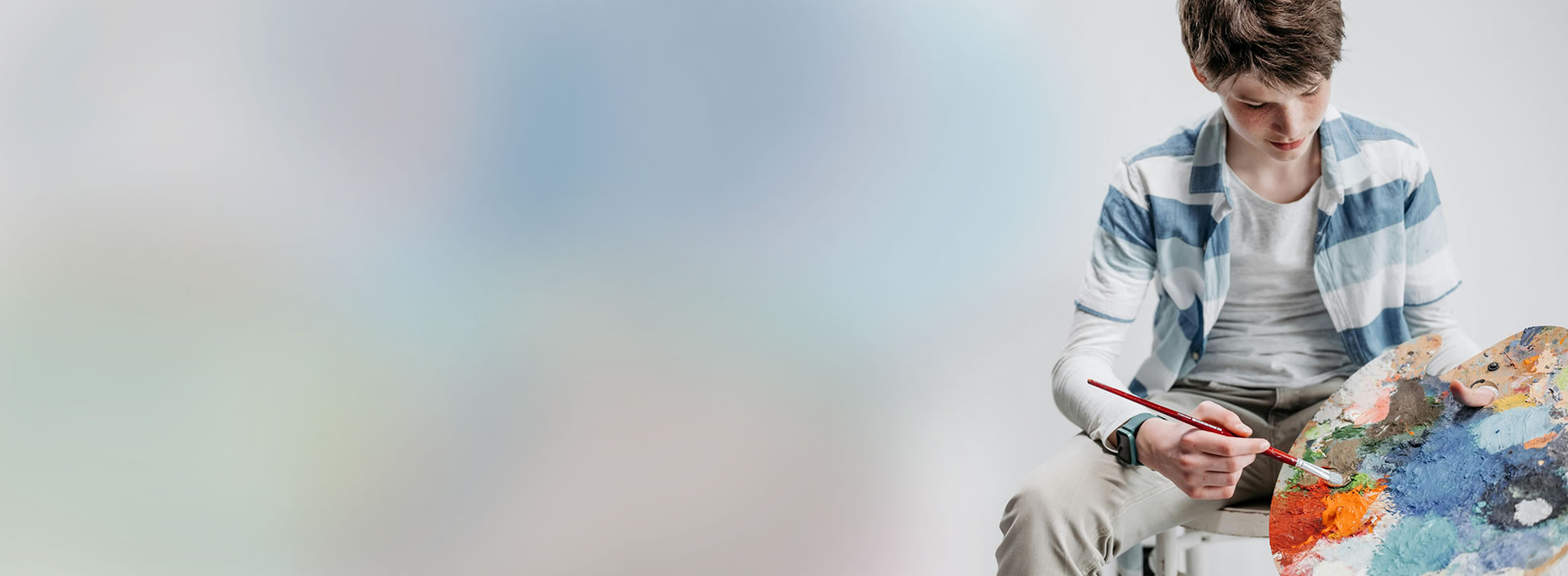
When children draw, colour, cut, or build, their bodies often begin to slow down. Breathing becomes steadier and focus improves. A calmer body makes it easier for thinking and emotional understanding to happen.
Art makes the invisible visible
Feelings like anxiety, grief, or shame are invisible, and that can be frightening. Art helps children see what they are feeling and realise, “This feeling exists, but it is not all of me.” This creates distance and understanding.
Art gives children control and choice
Many children who struggle emotionally feel powerless or misunderstood. Art gives choice back. Children decide what to draw, which colours to use, how much to share, and when to stop. That sense of control builds trust and confidence, especially for children who feel overwhelmed in other areas of life.
Art therapy is not about talent
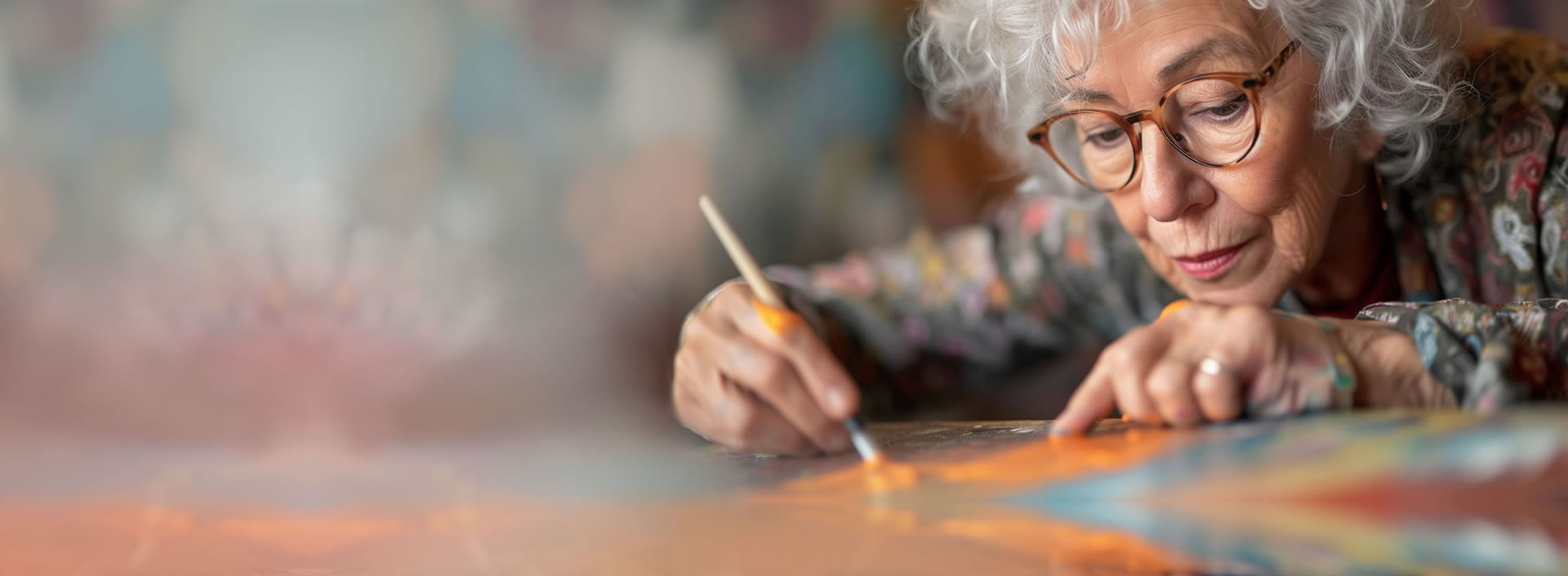
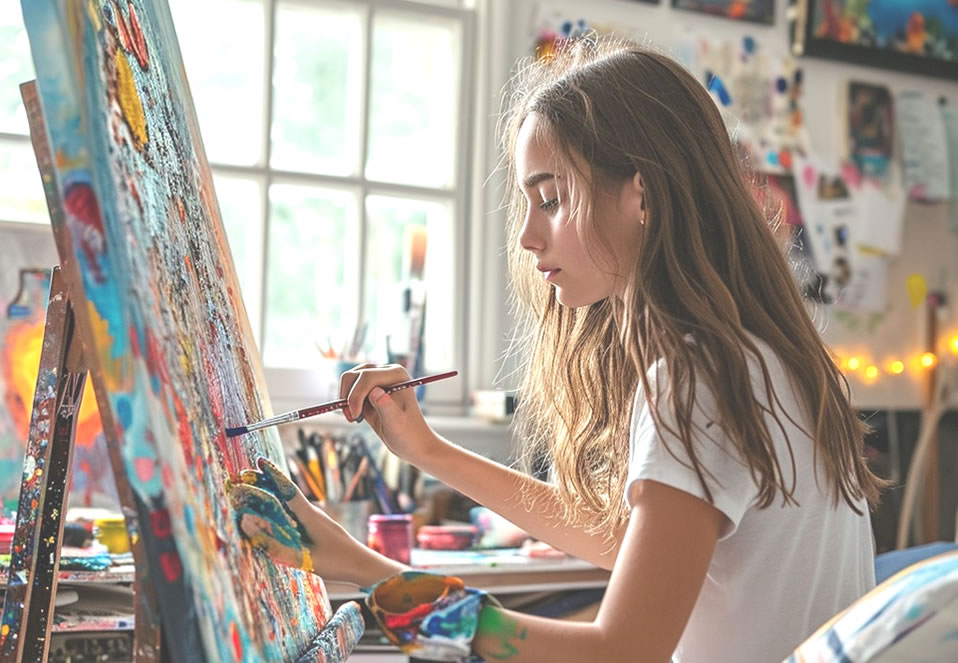
Art therapy, and art-based emotional support, is not about being good at art. It is about expression, process, meaning, and emotional safety. A stick figure, a scribble, or a messy page can hold more truth than a perfectly written sentence.
What this means for parents
Parents do not need to analyse the artwork or interpret symbols. What helps most is noticing, staying curious, and responding with simple statements like, “I see a lot of strong colours here,” or “That looks important,” or “Thank you for showing me.” Art opens the door. Your presence keeps it open.
It is also important to remember that if your child’s anxiety, grief, bullying, or emotional distress becomes overwhelming, or starts to affect safety, sleep, school, or daily life, extra support may be needed. Speaking to a trusted adviser, counsellor, therapist, or mental health professional can make a real difference. If you ever feel that your child, or you, are not safe, please reach out to local emergency services or a crisis support line.
Art therapy works because it meets children where they are. It does not demand words before they are ready. It respects the body’s signals, allows emotions to be expressed safely, and builds understanding over time. When words are hard to find, art speaks first, and that is often where healing begins.
With Care
Amelia
Copyright © 2025 Artful Heart